Continuous Lines
Without Impressions
Who?

What?

When?

Where?

Why?

How?
The Complex Knots
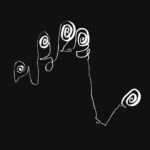
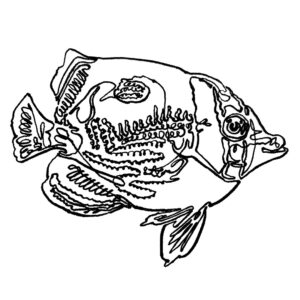
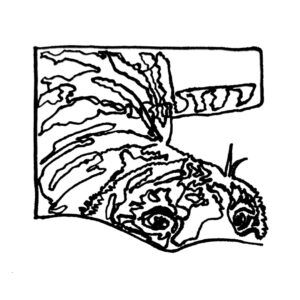
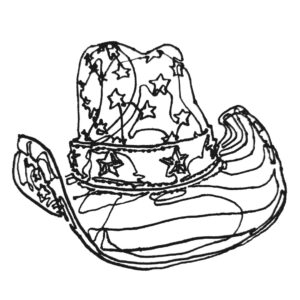
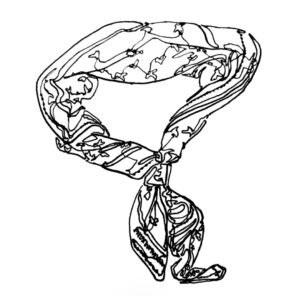
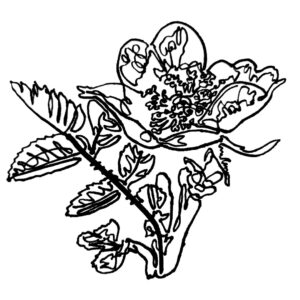
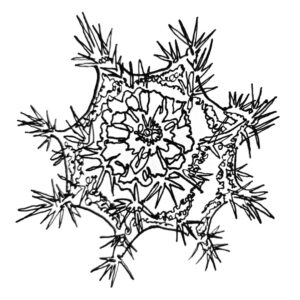
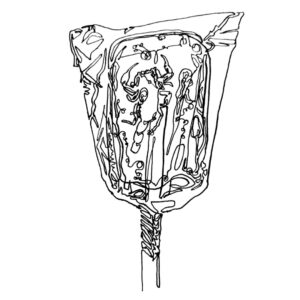
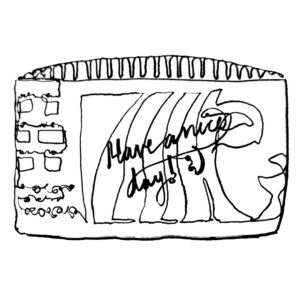
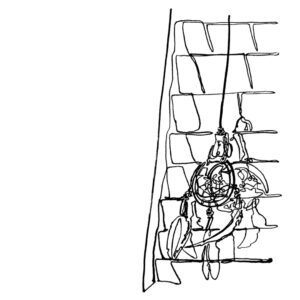
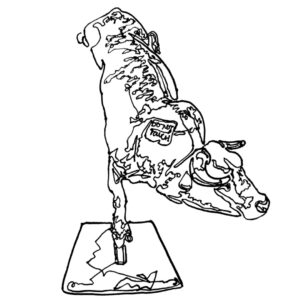
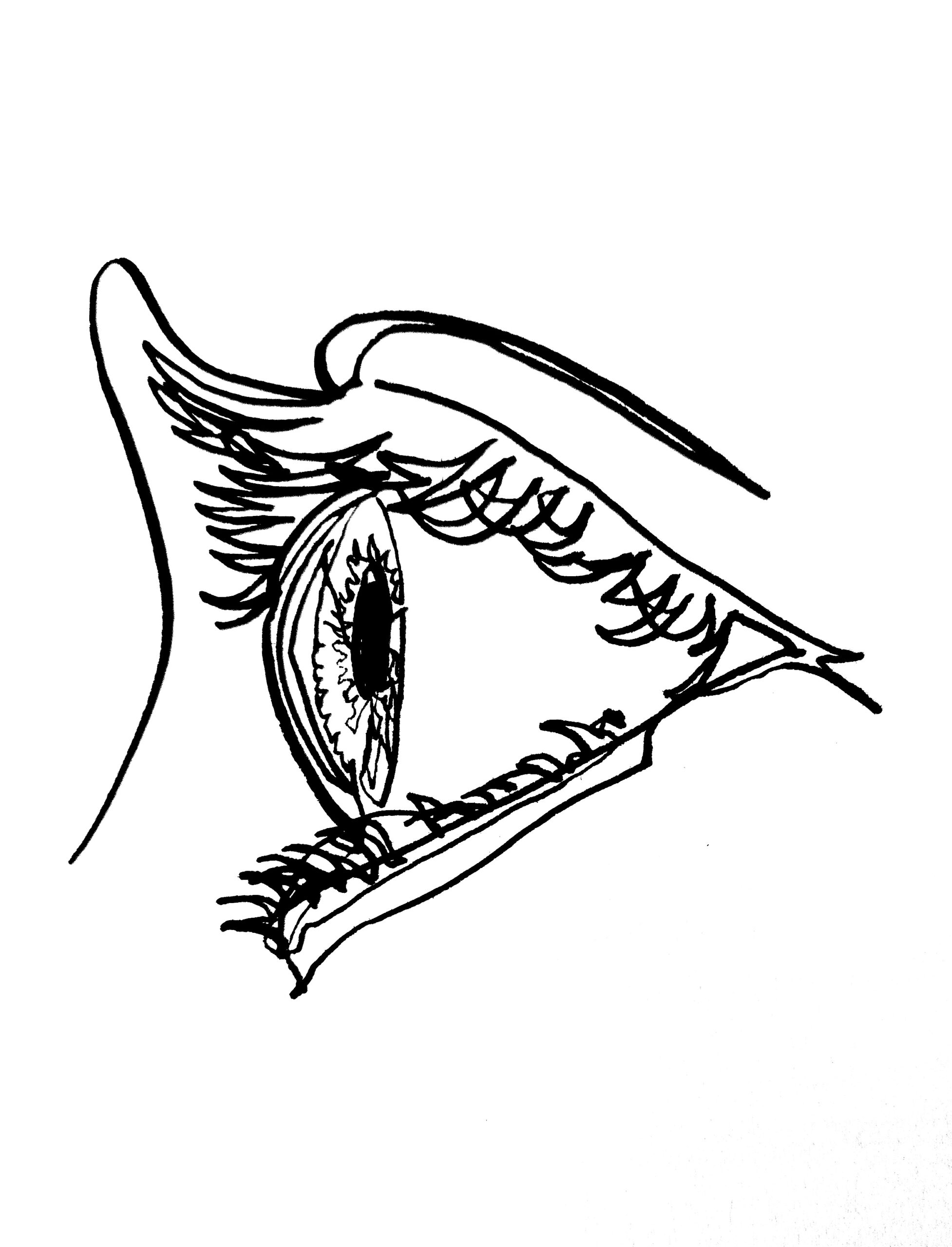
A line with an impression must mean there one without. Continuous lines the method approach to visual outcome. With no set concept, only a set technique, subject matter ranges limitless ironically limited to done or not done. The potential for what to create with this technique is reduced to endless possibilities posed by questions, “Who?”, “What?”, “When?”, “Where?”, “Why?”, and “How?” holding the line for as long ’til drawn. With no gray area, one line is all black & white. Simple. Minimal. Too so. To make the dive deeper bemusing the illusion of simple, breaking up the simplicity of its
minimalism requires variations of elements within each line. Too, straightforward & uncomplicated bunches up into a paradox to be abstruse, too. From afar to a closer look taken, the flow of a line is found in the direction best routed to pique perplex while still being readily understood more than it is to direct the line itself. On a per line basis, many to few variations of form, flow, & fill can be observed. In form, outcomes may encompass the whole subject or partial with remaining implied visuals as a result of page constraints, close-up depictions, or aesthetic choice. When formed,
hand-eye coordination faces the fight for accurate & precise proportions in the midst of complications of loss of sight & loss of vision. With non-ambidextrous right-handedness, the pen-wielding hand can block sight of the page drawing left. Confusion can block vision of, “Where to next?” where sometimes “straight through” is the solution, generating unharmonious, unsure, or overbearing lost track line segments. In motion, the movement of the line ebbs & flows dynamically back & forth & over itself rarely outlining commonly filling space. In filling, technical changes between
thickness, proximity, concentration, texture, and absence allow shading, contrast, shape, value, emphasis, and the likes in a line to pull through. Brush strokes get paved in width of widening & thinning thickness, preferably both but not always. Use of proximity determines how close part of the line is to itself while use of concentration determines the localized dense grouping of numerous segments. Texture is utilized to evoke a sensory response via repetitions of sorts though seldom as precise as patterning. Lastly, filling with absence achieved
by outlining a section to imply a solid fill silhouettes vacant fill to fill a continuous line. Without impressions, continuous lines aren’t restricted to real life experiences like lines within “The Life of a Line” series are based on. This fluidity allows both possibly so/ possibly not, non-fiction & fiction topics to be portrayed. On the contrary when compared, the visual outcomes between the two can appear opposite to what each is based. Lines with impressions can oddly look more fiction than non despite being based on real experiences while continuous lines
without impressions when fiction can look significantly more fiction than lines with impressions can ever outcome. With the concept not yet set so free-range, the possibilities are obnoxiously sanguinely limitless with just one line.
Continuous Lines
Technique Only
Since 2019
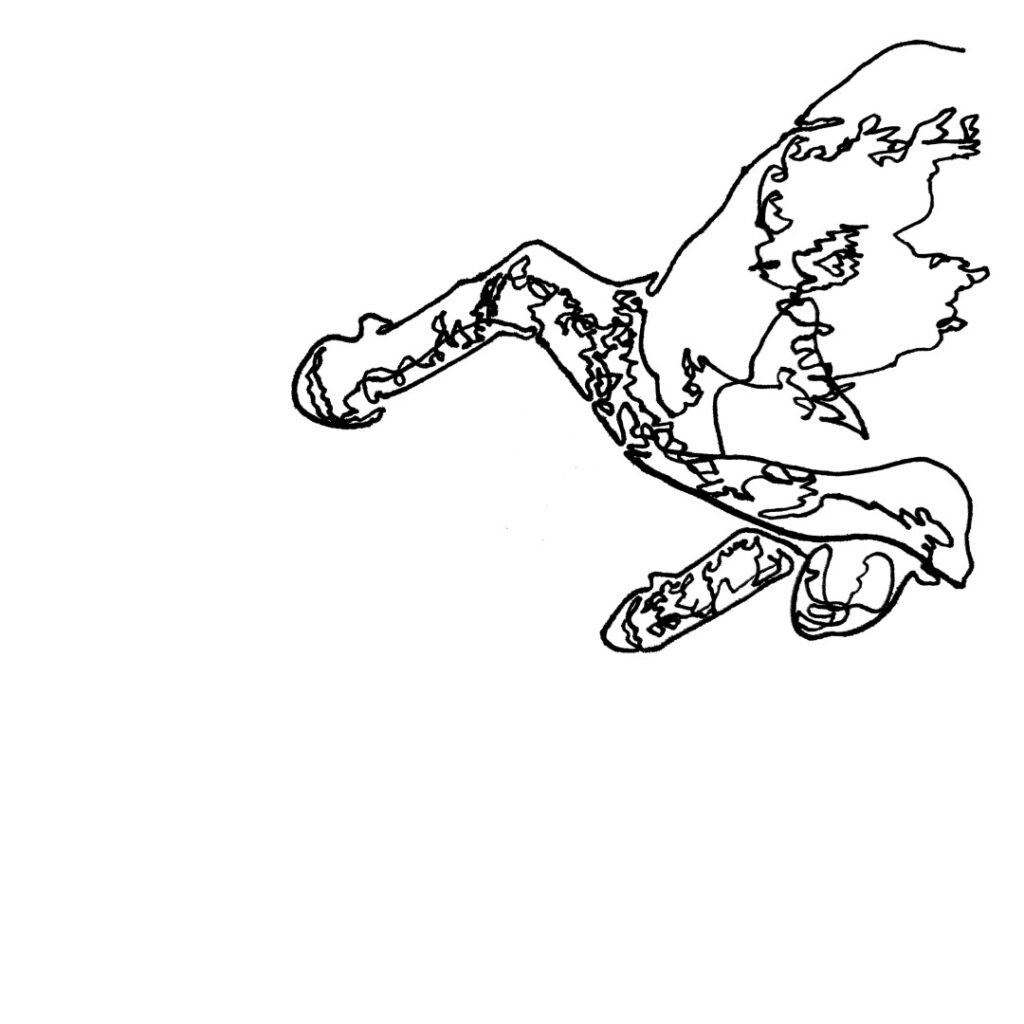
“John”, 2019.